
Does the “R” Stand for Racist?
Bo French, the Republican nominee for Texas Railroad Commission, has once again made comments that have been widely condemned as racist. His latest remarks, targeting a photo of South Asian students celebrating at a University of Texas football game, prompted bipartisan criticism and led one political blogger to ask whether the “R” behind his name stands for “Racist.” The question practically writes itself.
Some Texas Republicans have publicly condemned French’s remarks. Others have offered little or no meaningful response. Governor Greg Abbott’s response, in particular, has drawn criticism for not directly addressing the controversy. Here in the Bay Area, our elected officials have said nothing. At all.
Senator “Money” Mayes Middleton
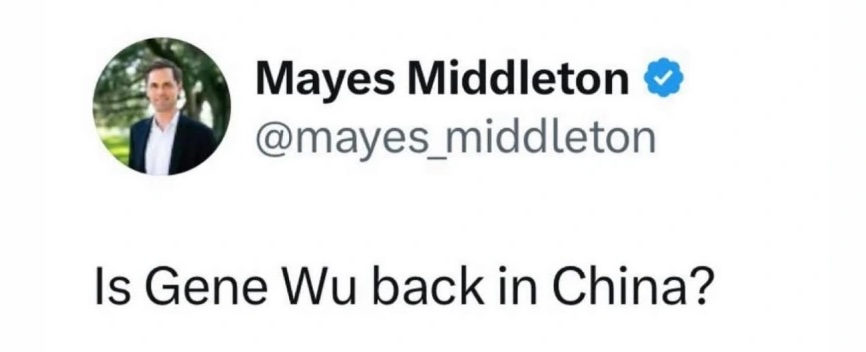
Middleton has himself faced criticism over comments about Asian Americans (See below) and Muslim Americans and his use of religious rhetoric in politics. He is now running for Texas attorney general and has pledged to rid Texas of “Sharia law”—despite the fact that Sharia is not part of Texas’ legal code. Middleton has not publicly condemned French’s latest comments, at least as of this writing.
State Representative Dennis Paul
There is a reason Texas Monthly once referred to Dennis Paul as “Furniture.” Critics have argued that his legislative accomplishments are limited and that he too often blends into the background like an oversized chair in a small room rather than addressing the pressing issues facing his district. One issue that deserves attention is the rising cost of home insurance, which continues to affect families across the Bay Area. Yet Paul has not publicly addressed French’s comments either.
Paul was also silent when his buddy Middleton made comments that critics condemned as racist toward Asian Americans. That silence is particularly notable given that Paul’s wife is Asian American.
Silence Is a Choice
Elected officials do not have to agree on every policy issue. But when a statewide candidate makes comments widely condemned as racist, constituents have a right to know where their representatives stand.
Silence may not prove agreement. But it does leave voters with questions—and those questions deserve answers.
So, when you see an “(R)” behind a candidate’s name, don’t assume it tells you everything you need to know. Look at the candidate’s record. Look at their statements. And look at what they say—or refuse to say—when it matters.
Bay Area voters deserve accountability, not silence.
Discover more from Bay Area Houston
Subscribe to get the latest posts sent to your email.


