The U.S. healthcare system undoubtedly needs reform, but Medicare for All (M4A) is likely the wrong solution—and under its current champions, it’s politically dead on arrival.
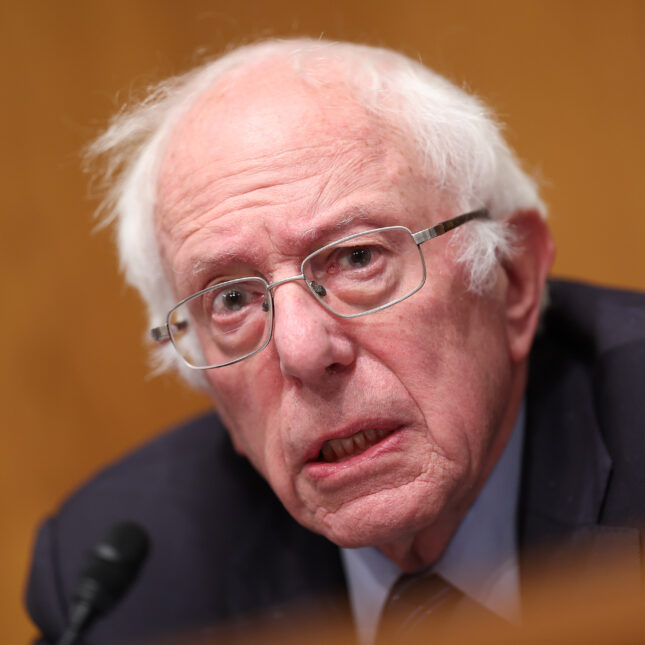
Next time a politician campaigns on Medicare for All, ask them to explain it. Most will struggle. With Senator Bernie Sanders and Representative Pramila Jayapal sponsoring the legislation, it stands virtually zero chance of becoming law. Neither lawmaker has a track record of passing major legislation, let alone completely rewriting American health policy. They excel at mobilizing movement rhetoric, but leave the painstaking work of negotiation and politicking to others. If advocates actually want M4A to pass, they need more pragmatic sponsors.
To evaluate the policy objectively, we must first dispel three major misconceptions:
- Medicare for All is NOT traditional Medicare: Standard Medicare only covers 80% of costs, leaving patients responsible for the remaining 20% unless they buy supplemental private insurance. It also excludes dental, vision, hearing long-term care, and prescription drugs (unless purchased separately). Traditional Medicare would bankrupt most families during a health crisis—a stark contrast to M4A’s comprehensive scope.
- Medicare for All is NOT healthcare: It is a government-run health insurance system designed to eliminate private insurers for core services. Private plans would be banned from offering any coverage that overlaps with M4A. To be accurate, Sanders and his allies should rename it what it actually is: Medical Insurance for All (MIFA).
- Medical Insurance for All is NOT free: While traditional Medicare is funded through a 2.9% payroll tax split between employees and employers, MIFA would require vastly higher funding. Draft proposals rely on heavy payroll taxes—ranging from 4% on workers and 7.5% on employers up to 30% overall depending on income tiers.
Ultimately, MIFA is an all-inclusive coverage model that expands far beyond traditional Medicare to cover vision, dental, and long-term care. Here are the main highlights of how MIFA would function:
- Will cover all Americans.
- Will cover all medical expenses for core services
- Will replace private insurance with few exceptions
- Includes dental, vision, and hearing
- Includes long term care
- Will be paid for by payroll taxes
- Will require service providers to adhere to lower standard for payment
MIFA will be a very difficult sell and almost impossible to pass much like The Affordable Care Act which required significant influence and politicking. Currently those campaigning on “Medicare for All” are being dishonest on the issue. They should come clean and call it what it is and get better sponsors of the bill.
Discover more from Bay Area Houston
Subscribe to get the latest posts sent to your email.


